Redesigning Coinmen’s cryptocurrency wallet
As part of my User Experience Design capstone at General Assembly, I collaborated with Coinme to address challenges in their cryptocurrency wallet, culminating in a presentation to the company's CPO, Product Manager, and Solutions Expert.
Timeline January 9 to January 30, 2019
Tools Sketch, Microsoft Excel
User research & UAT Kayla Paredes
Interaction design Brendan Thatcher
Visual design Patrick Coury
Project overview
The problem
With Coinme’s growing audience and the expansion of its cryptocurrency offerings, users struggled with a lack of trust, confusing KYC processes, and a poorly structured wallet that limited their experience, especially as the platform began to scale.
My role
As the Information Architect, my goal was to redesign the Coinme wallet to create an intuitive, user-friendly experience for both first-time and returning users, ensuring the interface was easy to navigate while supporting the growing range of cryptocurrencies.
The opportunity
How might we design a scalable, mobile-first wallet experience that simplifies complex cryptocurrency tasks, builds trust, and accommodates the expanding needs of users across multiple devices and currencies?
Why the need for a redesign?
Context
Coinme, the first licensed Bitcoin ATM operator in the U.S., partnered with Coinstar in 2018 to enable Bitcoin transactions at 13,000 kiosks nationwide, significantly expanding its user base. To support this growth, Coinme needed to redesign their digital wallet, creating a more user-friendly, trustworthy, and informative experience for both new and returning cryptocurrency users.
Discovery
Staking out Coinstar kiosks, we conducted six guerrilla user-interviews. Walking through the existing wallet, we identified three major recurring pain points:
Coinme wallet homepage
The homepage lacked clear communication, leaving users unsure of what they were viewing or their transaction status.
Transaction redundancies
Redundant information between transaction history and redemptions caused confusion.
Unclear iconography
Iconography was inconsistent and non-standard, making it difficult for users to navigate, especially on mobile when labels were removed.
“I don’t even know what this is...is this my wallet?”
“There are so many arrows. How do I actually use my money?”
User Research
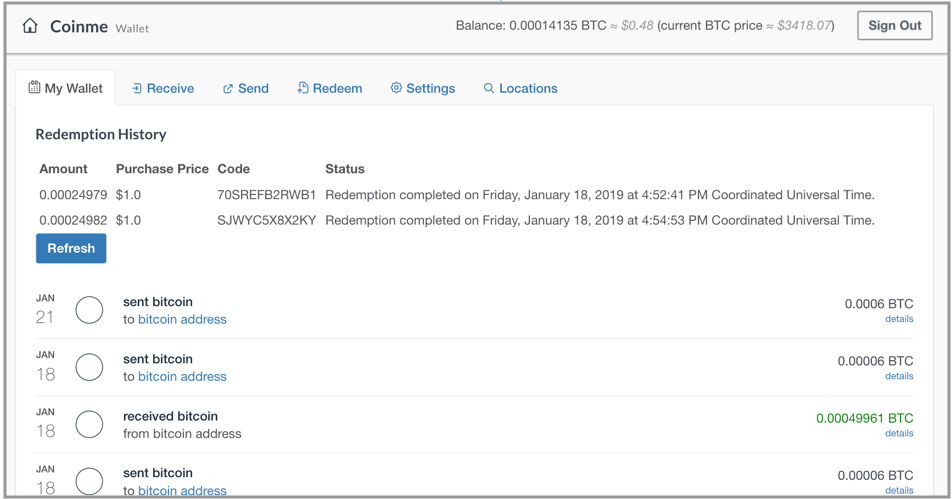
Coinme's wallet homepage - desktop
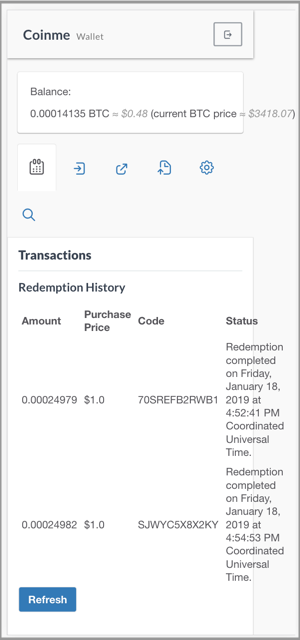
Coinme's wallet homepage - mobile
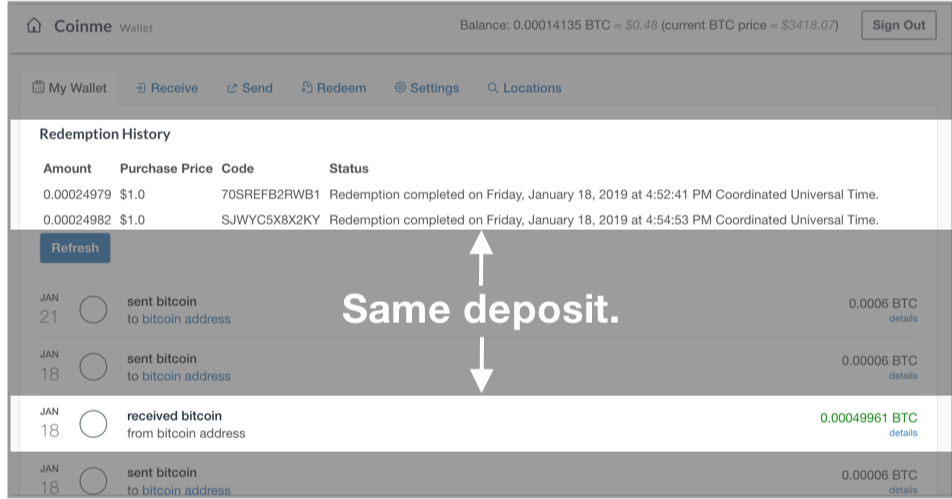
Deposit redundancies - desktop
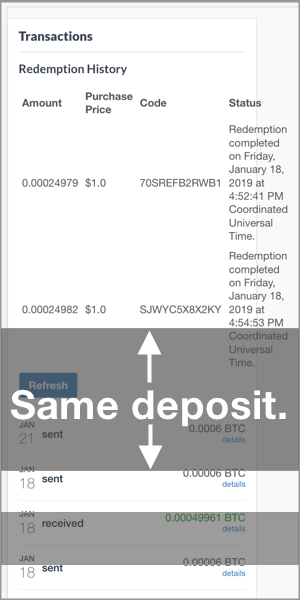
Deposit redundancies - mobile
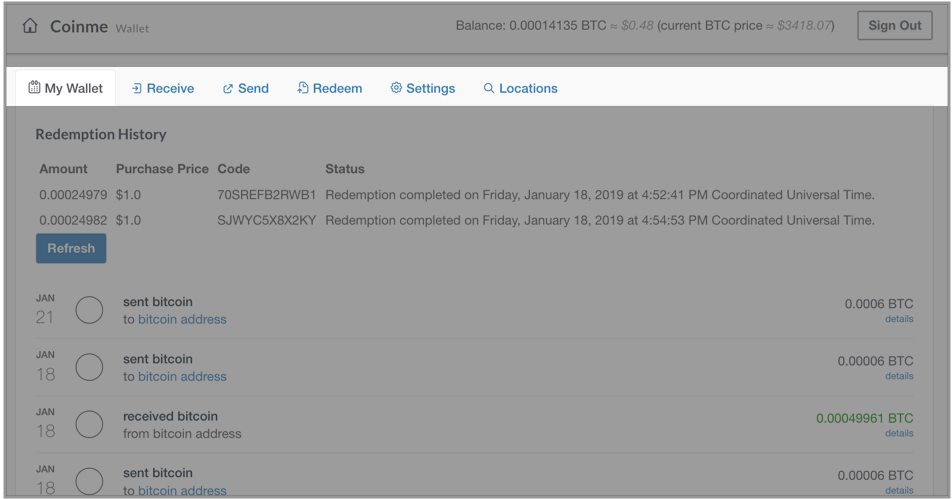
Icon navigation - desktop
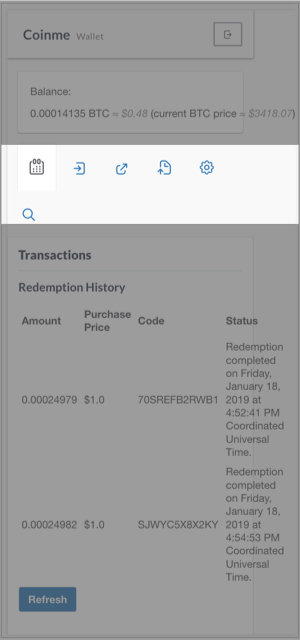
Icon navigation - mobile
Competitor research & feature analysis
In order to understand standard features and user expectations for digital wallets, I researched popular banking sites. This exploration helped me identify common account hierarchies and grouping patterns that users are familiar with.
I then shifted focus to direct competitors in the cryptocurrency wallet space, analyzing the feature sets of various platforms. I found that Coinme offered only 40% of the 15 key functionalities that other wallets provided, revealing notable gaps. This analysis highlighted potential features Coinme could implement, but to prioritize them effectively, we needed more user insights.
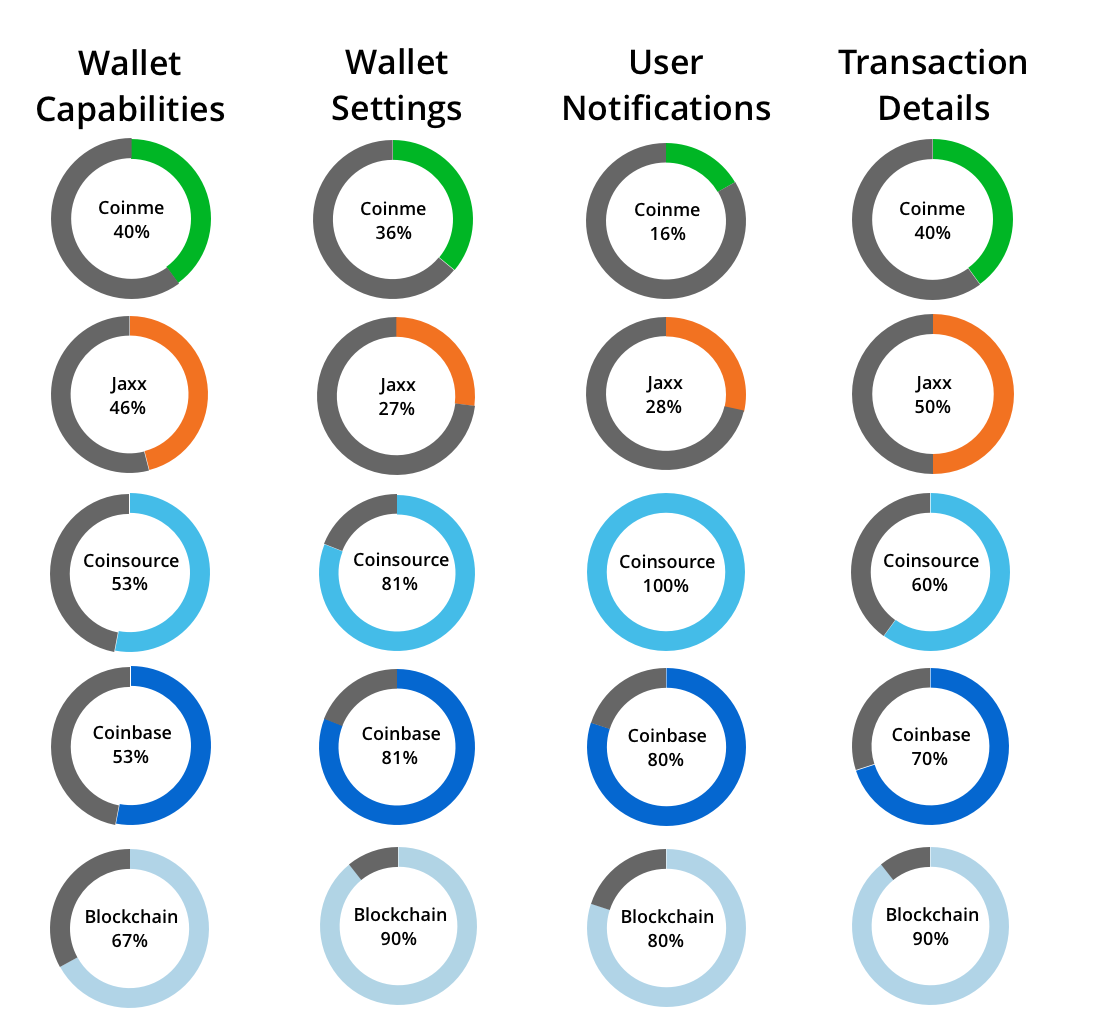
You can view my full competitive feature analysis of Coinme vs. alternative cryptocurrency wallets on Google.
Define
User journey
To help Coinme stakeholders understand the user experience, I created a user journey map highlighting key pain points. The most significant issue was the "Know Your Customer" (KYC) ID verification process, which was unreliable on mobile and lacked Coinme’s branding due to the third-party API. After analyzing competitor wallets, I discovered that many had integrated KYC directly into the account registration flow, a solution I recommended for Coinme to streamline the process and improve user experience.
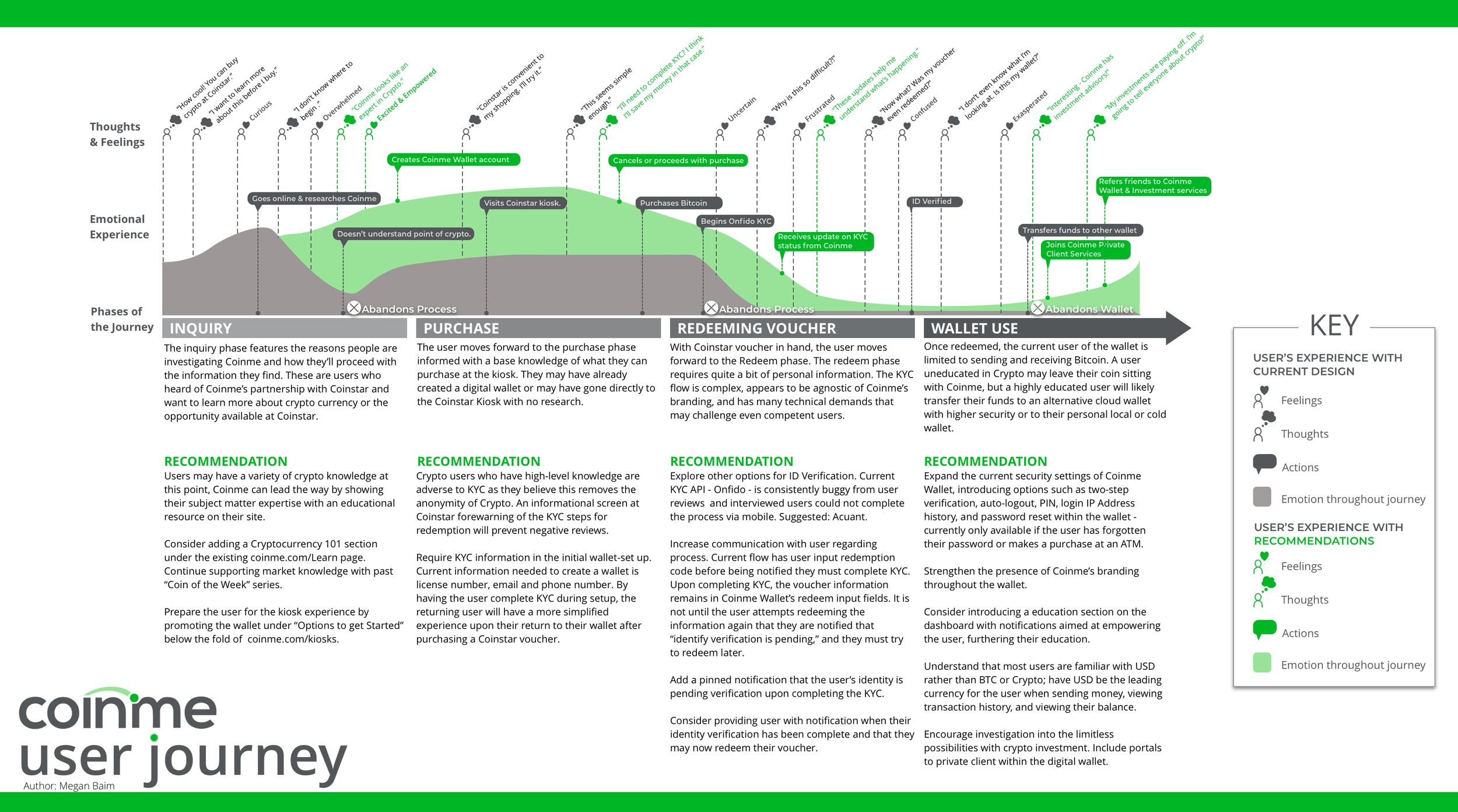
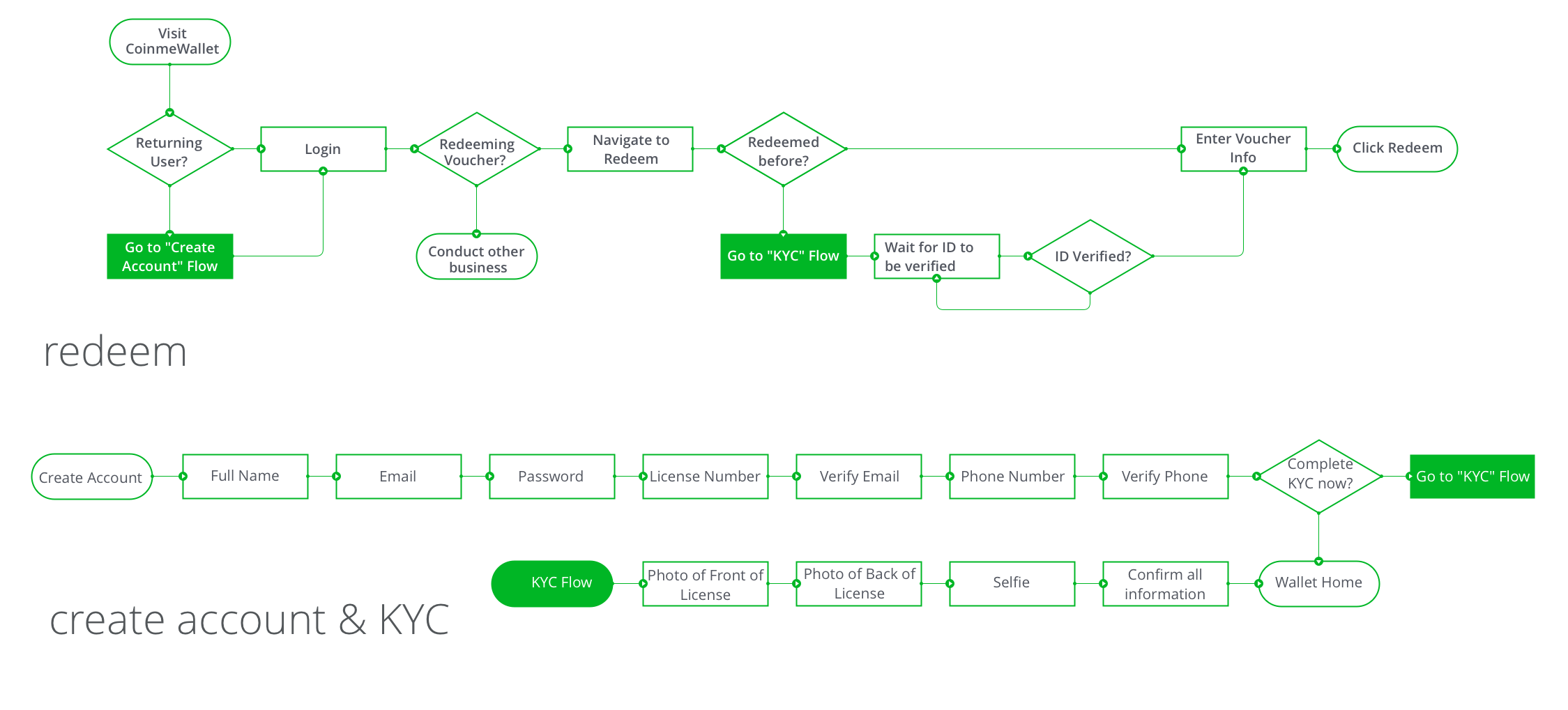
The redeem user-flow, and my proposed incorporation of KYC to decrease user-pain points.
Design
Information architecture
Coinme’s existing wallet's architecture was limited. With their goal to hold up to 20 coins and expand their offered services to include buying and selling, I followed both bank and crypto wallet architecture, I expanded navigation and created a dashboard to hold each coin as individual accounts, with separate transaction and redemption groups.
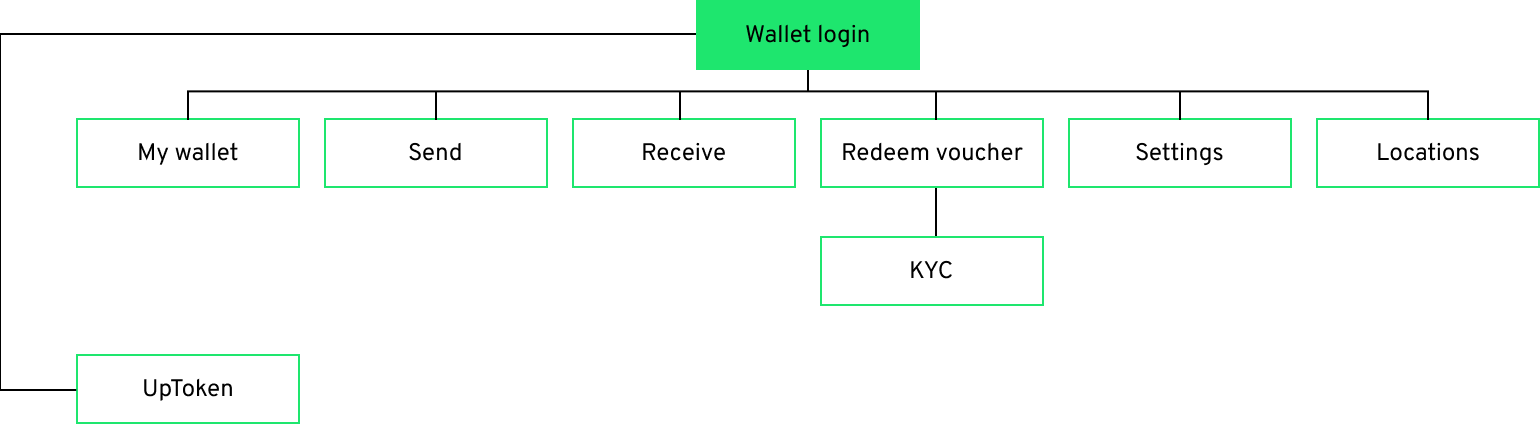
Initial architecture

Updated architecture
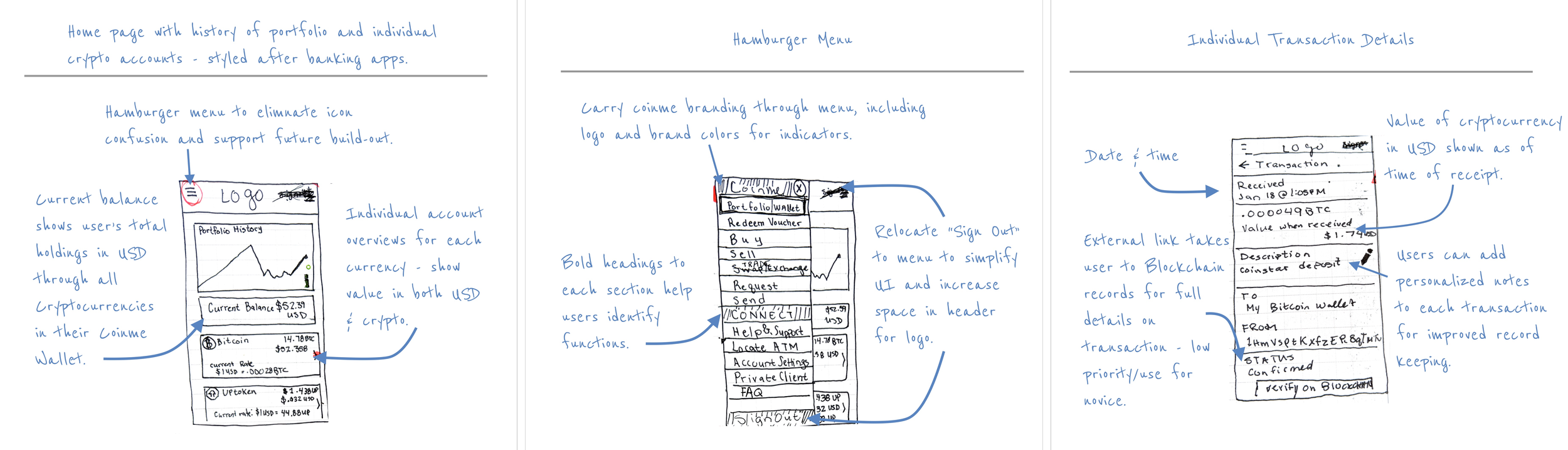
Design studio
To kick off the design process, I presented my research findings and proposed information architecture to our design team, leading to a design studio where we generated ideas and identified key themes for the prototype.
Drawing inspiration from mobile-friendly banking platforms, we focused on new users and prioritized a clear, simple, and trustworthy UX. Each team member quickly sketched six ideas.
I created mobile-first and desktop home page layouts, incorporating scalable design and prioritized features. Using insights from competitive research, I also sketched detailed pages to guide the interaction design
Deliver
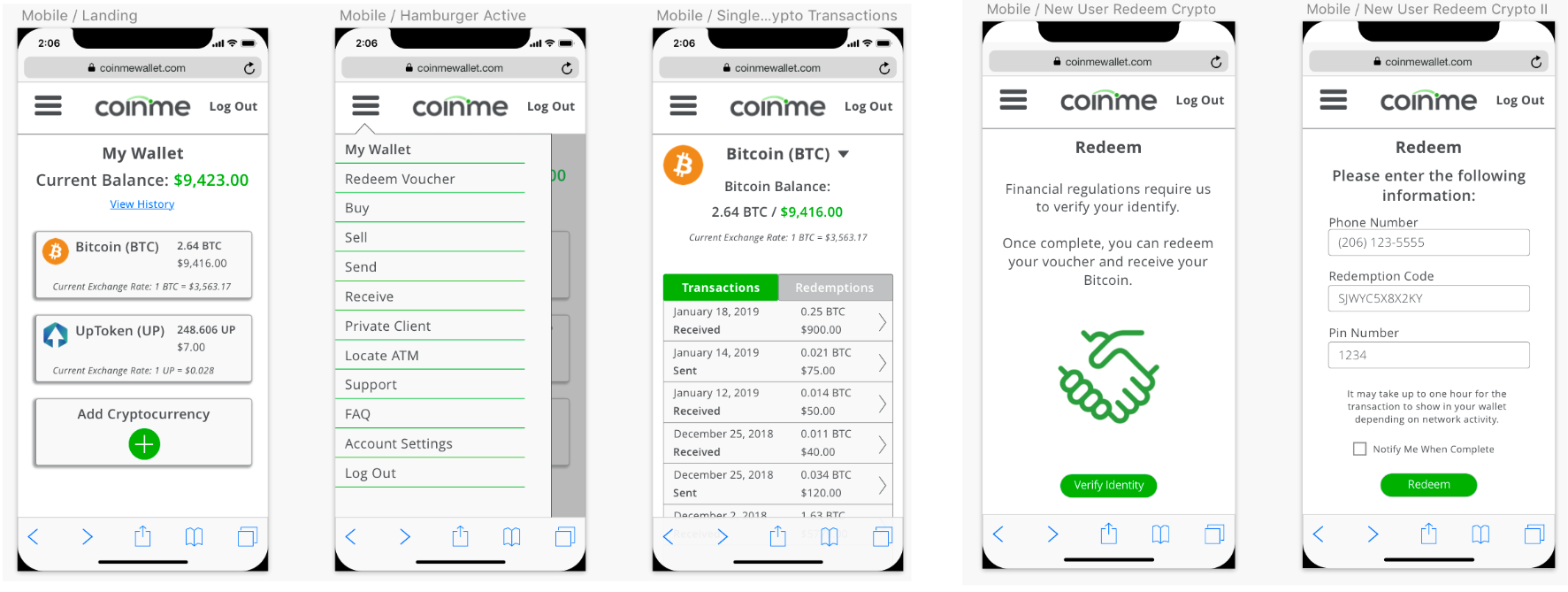
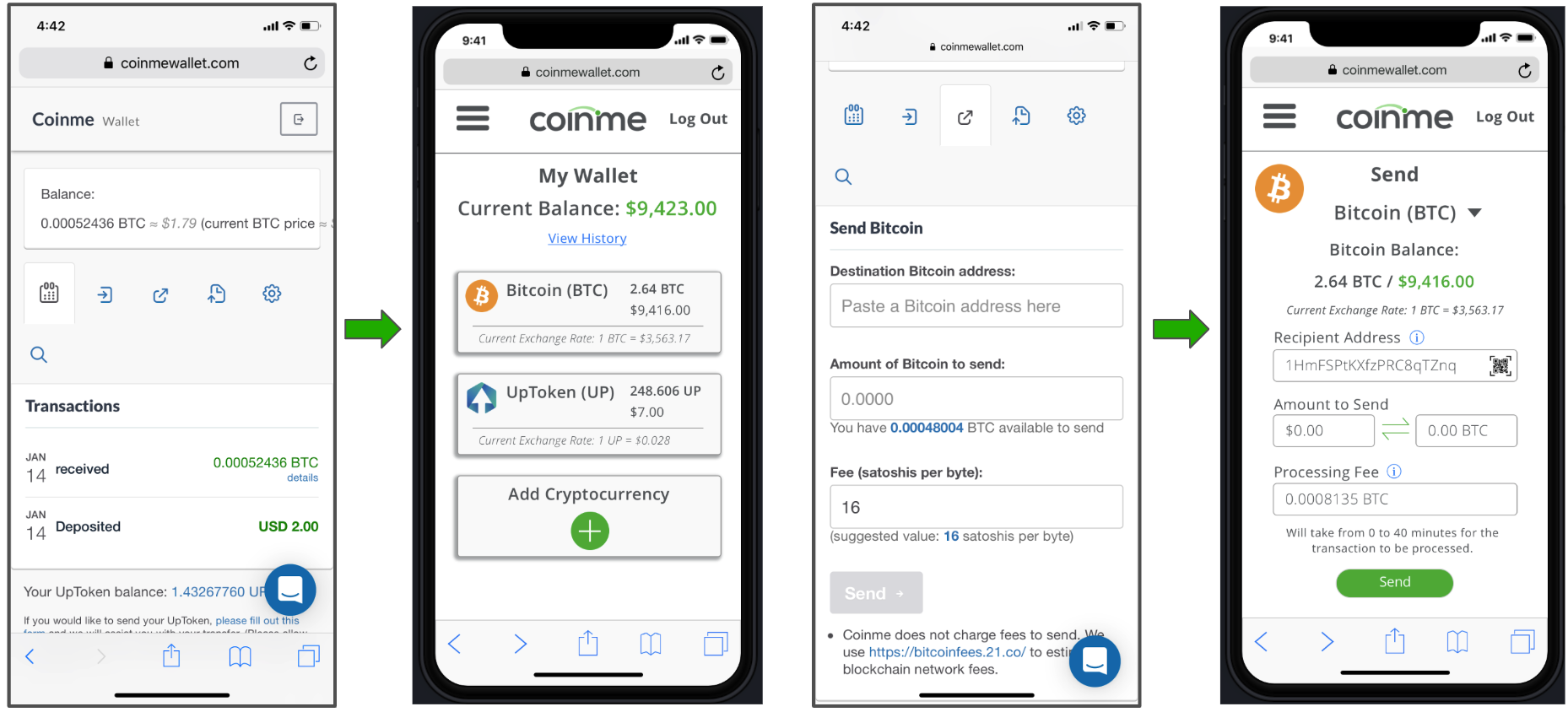
The design studio’s insights and sketches guided the next stages of the prototype, with our interaction designer creating higher-fidelity versions that captured key user flows and features. To refine these, our UX researcher conducted eight usability tests, revealing opportunities to streamline the experience for new cryptocurrency users.
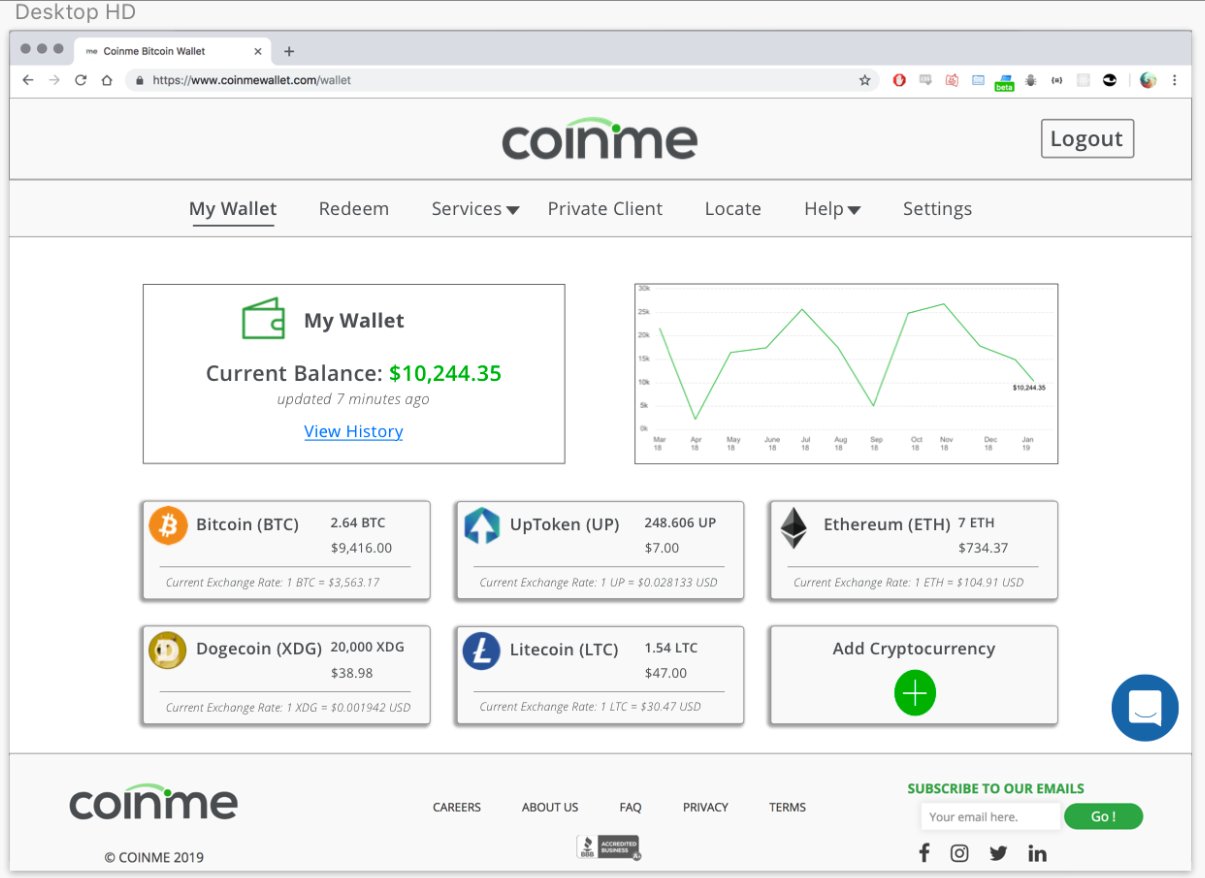
Content library
While usability tests were underway with the wireframes, I compiled a comprehensive content library for the wallet, including: information icons, confirmation messages, notifications, and dual-currency display (USD and crypto). My goal was to provide clear, accessible content that would empower new users to confidently navigate and fully utilize the wallet’s features.
Impact & outcomes
While the KYC process was outside the scope of this project, I recommended exploring a mobile-first solution like Acuant to improve the user experience.
This project deepened my understanding of the cryptocurrency market, highlighting the need for better consumer education about its risks.
Moving forward, I believe Coinme should prioritize expanding educational resources and providing clear risk disclosures to empower users and strengthen its position as a trustworthy platform in the evolving crypto landscape.